Source Hand Made Recycled Ceramic Vase for Home Decor
Find 30 hand made recycled ceramic vase options for home decor, gifts, and collections. Compare styles, glazes, and customization features from Chinese manufacturers to find the right supplier for your specific needs and budget requirements; compare the available evidence and request quotations based on your requirements.
Key considerations
Products List
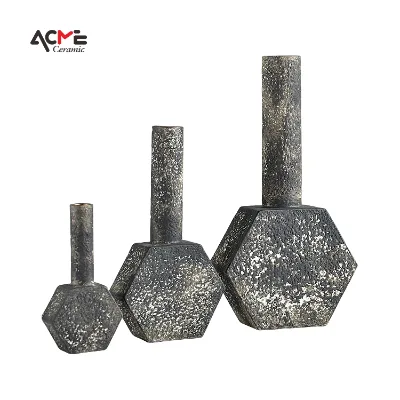
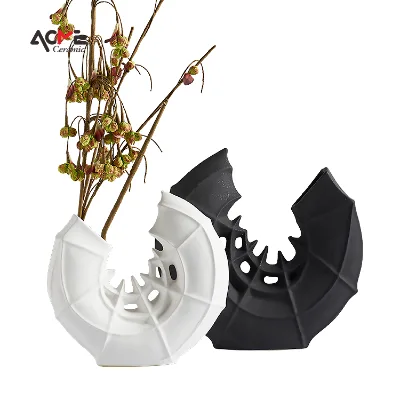
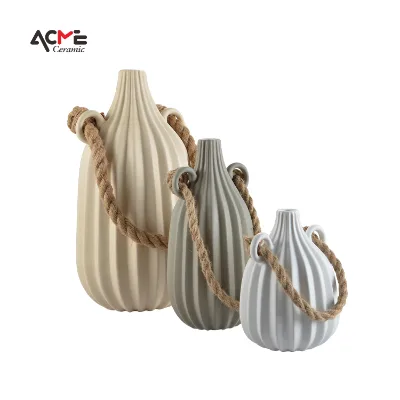
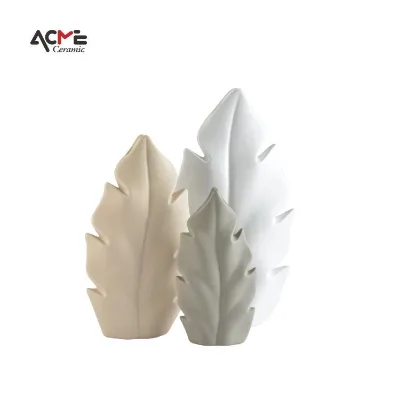
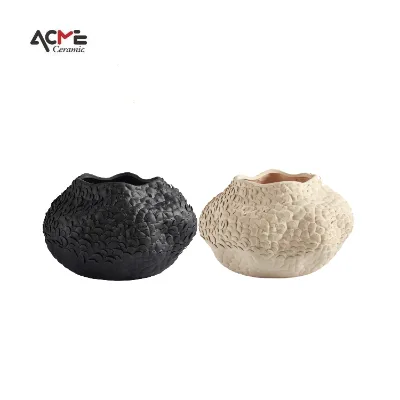


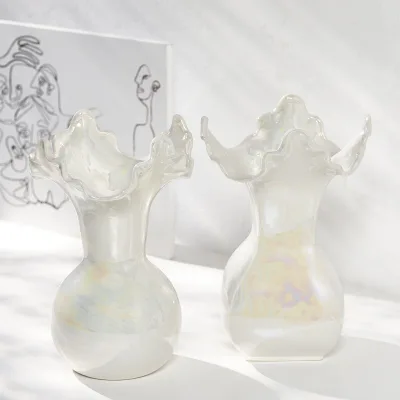


Comprehensive Sourcing Guide
Hand Made Recycled Ceramic Vase Sourcing Guide
Sourcing hand made recycled ceramic vases from Chinese manufacturers requires buyers to balance artisanal character against the consistency demands of commercial retail. The listings observed in this category span decorative vases in ceramic and porcelain, with hand-made processing, color-glazed and on-glaze finishes, and models such as CRHP406-407-408 and CRHP341W-347W available in defined dimensions. Because each piece is shaped and finished by hand, variation between units is inherent, and buyers must decide early whether that variation is a selling point or a defect risk for their channel.
This guide is written for importers, wholesalers, and private-label buyers evaluating suppliers of hand made recycled ceramic vases for home decoration, gifting, and collection use. It walks through product scope, technical verification, compliance documentation, cost structure, supplier qualification, and long-term procurement controls. The observed price range runs from a few dozen cents to the high thirty-dollar range in USD, and minimum order quantities span from single-piece samples to 5,000 units, so commercial positioning must be defined before supplier outreach begins.
Product Scope and Observed Listing Signals
The category covers a broad range of formats: single-layer ceramic cups with color-changing and heat-preservation functions, European-style vases in matte black and white finishes, hand-painted and potted glazed pieces, and assorted-size decorative items. Listed colors include white, black, grey, beige, and pink, with some products offered in multicolor assortments. Stated usage scenarios include promotion, daily use, gifts, decoration, and collection, and suitability is described for both home and universal applications. Buyers should map their target retail channel to these listed attributes before shortlisting.
Listing signals also reveal commercial posture. Some items are marked as available for customization with OEM service and a stated MOQ of 500 pieces, while others are stock-free made-to-order production. Model numbers such as Ceramic Craft-002U, SLP8553, SLP8676, and SLXY1796 suggest catalog-driven suppliers that can extend existing molds or glaze programs to private-label needs. Packing is described as safe carton or pallet for some listings and bubble wrap for others, which signals differing levels of export-readiness. Treat all listed attributes as supplier observations to confirm, not guarantees across the full catalog.
Technical Specifications to Verify
Dimensional accuracy is the first specification to lock down. Observed listings provide formats such as M: D18.3xH18cm for one model family and 365W: D13.5xH25cm for another, alongside "assorted" and simply S/M size labels. Buyers should require a dimensioned drawing for every SKU, including tolerance ranges, because hand-made production rarely holds machined tolerances. Confirm whether the stated size refers to the widest point of the body, the rim, or overall height, since vase proportions drive shelf presentation and carton cube calculations.
Material and construction details need equal scrutiny. Listings reference porcelain, ceramic, and combined ceramic-and-porcelain materials, single-layer ceramic construction, glaze techniques, and hand-made processing. Verify with the supplier which body composition applies to each model, whether the recycled content claim is documented and how it is defined, and whether glaze is color-glazed or on-glazed, since this affects surface durability and food-contact considerations if relevant to your market. Request physical samples before ordering so glaze texture, matte or gloss finish, wall thickness, weight, and base finishing can be inspected against your quality standard.
Compliance and Safety Documentation
Ceramic tableware and decorative ware sold in most regulated markets must demonstrate that glaze heavy metals remain within legal limits. Although the observed listings do not state test results or certifications, buyers should ask prospective suppliers for third-party laboratory reports covering lead and cadmium release for any piece that may contact food, and for surface-coating safety documentation where children could plausibly handle the product. Confirm which lab performed the testing, which test method was used, and whether the report covers the exact glaze and colorway you intend to order rather than a similar item.
Beyond chemical safety, request documentation that supports your customs and retail requirements: a material composition statement clarifying the recycled content basis, country-of-origin marking consistent with the stated China origin, and packaging declarations if your market regulates packaging materials. Because these are hand-made items with color glazes, batch-to-batch consistency of the glaze itself should be part of the compliance conversation — ask whether the same glaze formulation is used across production runs and whether retesting is performed when formulations change. Never accept a generic certificate that does not reference your product model.
Cost Drivers and Commercial Terms
Unit cost in this category is driven by material choice, glaze complexity, and decoration labor. Hand painting and multicolor glazing add per-piece labor that single-color matte finishes do not, which explains why observed prices span from under one dollar to nearly forty dollars across the 30 listings. Size and wall thickness affect firing cost and breakage rates, and assorted-size sets complicate packing. Recycled ceramic bodies may carry their own cost profile depending on how much sorting and reprocessing the supplier performs, so ask for a cost breakdown by production stage.
Commercial terms deserve the same rigor as unit price. Observed MOQs range from 1 to 5,000 pieces, so negotiate the minimum that matches your sales forecast and confirm whether mixed-SKU orders are allowed within one MOQ. Clarify what the quoted price includes — sample cost and whether it is credited, tooling or mold charges for customized ceramic craft, inner packing such as bubble wrap versus safe carton or pallet, and freight terms. With stock-free production listings, confirm production lead time in writing and agree on payment milestones tied to inspection approval rather than shipment alone.
Supplier Qualification and Quality Control
Qualify suppliers through a structured sequence: review the catalog and model numbers against your target spec, request samples of the exact models, then audit or video-tour the production floor. For hand-made recycled ceramics, the critical questions are where recycled material enters the process, how it is cleaned and graded, and whether the workshop can sustain consistent shrinkage and glaze results across a large order. Confirm whether the supplier manufactures in-house or trades, since trading companies may have less control over glaze formulation and repair of defects.
Quality control should be defined in a written inspection plan before deposit payment. Specify AQL sampling expectations for visual defects — glaze pinholes, crazing, warping, color deviation against an approved golden sample, and base or rim finishing — and require photographs of packed cartons. Because listings state customization is available and OEM service is offered, agree on how custom colorways and shapes are approved: signed pre-production samples, retained reference samples on both sides, and a defined rework or rejection procedure for out-of-spec batches. Third-party inspection before shipment is a standard safeguard for hand-made goods where variation is high.
Long-Term Procurement Checks
Long-term value in this category comes from stability, not one-off price. Track supplier performance across orders: on-time delivery rates, defect rates found at incoming inspection, sample-to-production fidelity, and responsiveness on replacement of transit-broken pieces. Re-confirm specifications annually, because hand-made producers may adjust recycled material blends, kiln loading, or glaze suppliers, and any of these changes can shift color or dimensions. Ask to be notified in writing before such changes take effect so you can re-approve samples.
Build resilience into the relationship. Since several listings indicate no stock and made-to-order production, maintain safety stock or rolling forecasts to avoid stockouts during peak gifting seasons, and consider dual-sourcing key SKUs if volumes justify it. Keep your golden samples, dimensioned drawings, and compliance test reports archived per model, and refresh heavy-metal testing when glaze formulations or colorways change. Finally, revisit commercial terms periodically — MOQs, packing upgrades from bubble wrap to carton-and-pallet export packing, and customization scope — as your volumes grow and your leverage with the supplier improves.
FAQs
What materials are used for these ceramic vases?
The vases are crafted from high-quality porcelain and ceramic materials. This combination ensures durability and a refined finish suitable for both daily use and decorative purposes. The material choice supports the eco-friendly nature of the product while maintaining structural integrity for various styling needs.
Can I customize the design of the ceramic vase?
Yes, customization is available for these ceramic vases. Buyers can request specific styles, colors, or glaze types to match their brand or interior design requirements. This OEM service allows for tailored solutions, ensuring the final product aligns perfectly with your specific aesthetic or promotional goals.
What is the minimum order quantity for these items?
The minimum order quantity is typically 500 pieces. This MOQ applies to standard orders and allows for efficient production and shipping logistics. Buyers should note that stock availability may vary, so placing orders in advance is recommended to secure the desired quantity and specific design variations.
How are the ceramic vases packaged for shipping?
The vases are packaged using safe carton or pallet methods, with bubble wrap included for extra protection. This packaging strategy ensures the items arrive in pristine condition, minimizing the risk of damage during transit. The secure packing is essential for maintaining the quality of the delicate ceramic and porcelain materials.
What styles are available for these ceramic vases?
Available styles include simple, fashion, and European designs. These options cater to diverse interior preferences, from modern minimalist aesthetics to classic decorative looks. The variety in style allows buyers to select pieces that best fit their target market or specific decorative needs for homes and commercial spaces.
Are these vases suitable for promotional gifts?
Yes, these vases are suitable for promotional gifts and daily use. Their versatile design and customizable features make them ideal for branding or corporate gifting. The eco-friendly aspect adds value for environmentally conscious recipients, while the durable ceramic construction ensures the gift remains a lasting keepsake.